
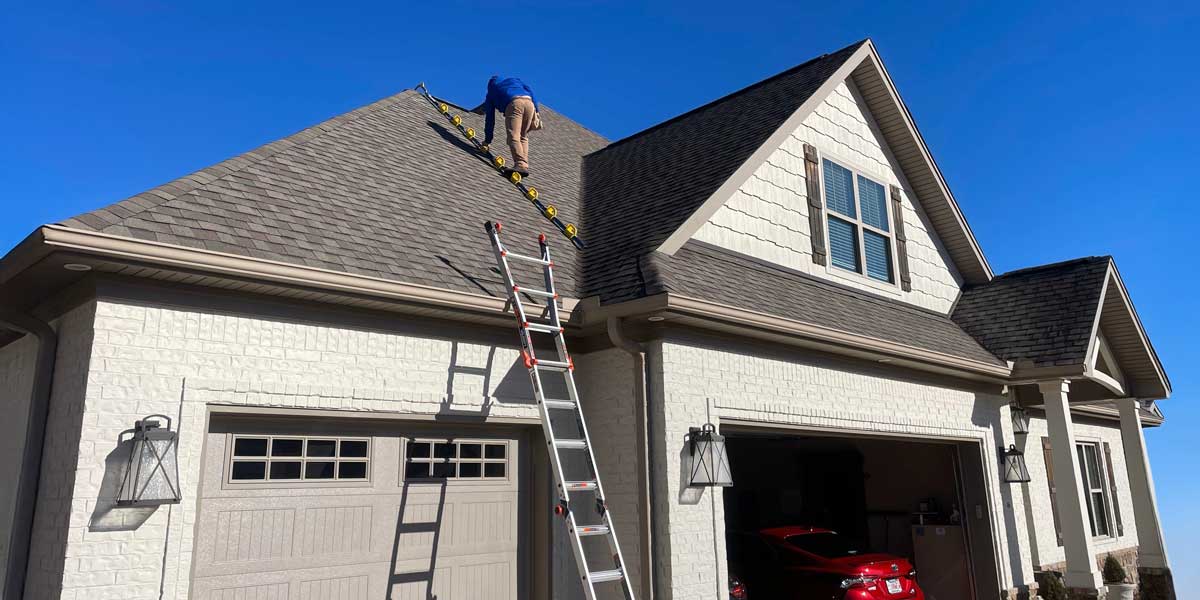
One of the biggest questions homeowners ask before going solar is whether their roof is actually a good fit for solar panels. It is a smart question, because the roof and the solar system have to work together for the long term. If the roof is in good shape, solar can be a great upgrade. If the roof is too old or already has issues, installing solar without addressing the roof first can create problems later.
So, when is a roof good for solar, and when should you replace it before moving forward?
The answer usually comes down to the age of the roof, its condition, the type of roofing material, and your long-term plans for the home.
Start With the Big Question: How Much Life Is Left in the Roof?
The first thing to think about is how much life your roof has left. In most cases, if your roof has about 7 years of life remaining, you can usually move forward with solar and be okay. The reason 7 years is such an important number is because that is roughly the average return on investment for a properly installed solar system in California right now. So, if your roof can make it through that period comfortably, the system still makes financial sense.
If the roof has less than 5 years left, that is usually where the conversation changes. At that point, you are getting too close to the range where you may have to remove and reinstall the solar system to replace the roof before you have really gotten the full value out of the project. That is when it usually makes more sense to replace the roof first or at least seriously consider it.
The range in the middle, around 5 to 7 years, is where it becomes more situational. That is where you need to think about whether this is your forever home, whether you want to do everything one time and not worry about it again, and how the roof looks today.
Why Roof Age Matters So Much
Solar panels are built to last a long time. A quality solar system can easily perform for 25 years or more. That means when you install solar, you are making a long-term improvement to the house. You do not want to pair a long-term solar asset with a roof that is already near the end of its life.
If you install solar on a roof that needs replacement too soon, you will eventually have to pay to remove the solar system, replace the roof, and then reinstall the solar system. That extra labor adds cost that could have been avoided if the roof had been handled first. That is why roof age is one of the first things a good solar installer should evaluate. It is not about trying to upsell a roof. It is about making sure the home is set up correctly for the long term.
Can Solar Panels Be Installed on an Old Roof?
Technically, yes, solar panels can sometimes be installed on an older roof. But the real question is whether they should be. If the roof is older but still in good condition, with no leaks, no major deterioration, and a reasonable amount of life left, it may still be a good candidate. If the roof is old and showing signs of failure, then the answer is usually no, or at least not without replacing or repairing it first.
Some of the warning signs include shingles curling, cracking, heavy granule loss, soft spots, active leaks, or multiple patched areas. If those issues are already present, adding solar on top of that roof is usually not the right move. The goal is not just to get the panels installed. The goal is to install them on a roof that is going to support the system properly and not create additional expense down the road.
Do Solar Panels Damage a Roof?
This is another very common concern, and the short answer is no, solar panels should not damage your roof when they are installed properly. A properly installed solar system uses flashed and sealed attachment points that are designed to integrate with the roofing material. On a standard composite shingle roof, for example, this is very common and straightforward when done by an experienced installer. The mounting system is designed to protect the penetrations and keep the roof watertight.
Where homeowners run into trouble is not because solar itself damages roofs. It is because poor installation practices can create problems. If an installer does not flash penetrations correctly, does not seal things properly, or installs on a roof that is already compromised, then leaks or roof issues can happen.
So, the real answer is this: solar panels do not damage a roof, but poor workmanship can. That is why choosing the right contractor matters just as much as evaluating the condition of the roof itself.
When It Makes Sense to Replace the Roof Before Solar
There are a few situations where replacing the roof first is usually the best move. The most obvious one is when the roof is simply too old and close to the end of its service life. If you are in that under 5-year range, replacing it is usually the smarter long-term decision.
The second is when the roof already has active problems. If there are leaks, damaged areas, soft decking, or obvious signs of deterioration, that should be addressed first.
The third is when the roof type itself is not ideal for solar A good example would be an old wood shake roof. In most cases, those roofs are better off being replaced before solar is installed. In California, a composite shingle roof is usually one of the most cost effective and solar friendly roofing options available.
Another time it makes sense is if this is your forever home. If you know you are going to be in the property long term, and your roof is in that 5-to-7-year range, replacing it before solar may be the better overall investment. That way, the roof life and the solar life are aligned, and you are essentially resetting the home for the next 20 to 25 years.
When It Makes Sense to Move Forward Without Replacing the Roof
If the roof is in good shape and has around 7 or more years left, then in many cases it makes sense to move forward with the solar project without replacing it. If there are no leaks, no signs of major deterioration, and the roof material is still solid, there may not be a reason to add the expense of a full roof replacement right now. In that situation, the homeowner can move forward, start saving money on electricity, and still get strong value from the solar investment.
This is especially true for homeowners who want to reduce their electric bills now and do not have any immediate roofing concerns. If the roof is still viable, the solar system can still make financial sense.
A Budget Friendly Middle Ground: Re Roof Only the Solar Areas
There is also a middle ground that many homeowners do not realize is available. If your roof color is common and the layout works well, you can sometimes replace only the sections of roof where the solar panels are going to be installed. That can reduce the roofing cost significantly, and in some cases by around 50 percent compared to re-roofing the entire home. This can be a smart option for homeowners who want to keep the upfront cost down but still want the peace of mind of putting solar on a fresh surface. Then later, if needed, the rest of the roof can be completed separately. This does not work in every situation, but when it does, it can be a very practical compromise.
How Roofing and Solar Can Work Together Financially
One of the biggest reasons homeowners hesitate to replace the roof before solar is because they are worried about the additional cost. But in many cases, the good news is that the roof and the solar system can be bundled together into one project. When that happens, especially if the homeowner is financing the project, the monthly cost can often still be close to what they were already paying for electricity anyway. That changes the conversation.
Instead of looking at it as paying more money, you are simply redirecting what you were already spending. You are now paying for a new roof, a new solar system, and in many cases battery storage, instead of sending that same money to the utility company every month with nothing to show for it. That is a big difference. You are upgrading the home. You are creating long term value. You are reducing or stabilizing one of your biggest monthly household expenses. And you are improving the property itself.
Why This Can Be a Better Transaction Overall
For many homeowners, handling the roof and solar at the same time actually creates a better overall transaction. You only go through construction once. You only coordinate one project timeline. You only deal with one period of disruption. And when it is done, the roof and solar system are both new and built to work together long term. That can be a much cleaner path than installing solar now and then dealing with removal and reinstallation later because the roof finally needs to be replaced.
This is especially important in California where electricity rates are so high. If you are already making the move to solar because you want to stop overpaying for electricity, pairing it with the roof when needed can be one of the smartest ways to fully modernize the home.
How to Think About Roof Type
Roof type matters too. Composite shingle roofs are usually one of the easiest and most cost-effective roofs to install solar on. They are common, straightforward, and when installed and flashed properly, they work very well with solar. Tile roofs can also work, but they tend to require more labor and care during installation. Wood shake roofs are usually where the conversation shifts toward re-roofing first. Not only are they less ideal for solar, but in many cases, they are already at or near a point where replacing them makes more long-term sense.
So, if you are wondering whether your roof type is good for solar, the answer is usually yes for composite shingle, often yes for tile depending on condition, and usually no for older wood shake without re-roofing.
The Real Decision Comes Down to Long Term Planning
At the end of the day, the question is not just whether solar can go on your roof. It is whether it should go on your roof in its current condition. If the roof is healthy and still has enough life left, you can usually move forward. If it is near the end, leaking, or made from a roofing type that is not a great fit, replacing it first is usually the better call.
The most important thing is to make the decision based on the long-term value of the home, not just the shortest path to getting panels installed. Solar is a long-term investment. The roof it sits on should be ready for that same timeline whenever possible.
Is Your Roof Good for Solar Panels?
In many cases, yes. But it depends on age, condition, material, and how long you plan to stay in the home. A good rule of thumb is this: If the roof has about 7 years or more left, you can usually move forward confidently. If it has less than 5 years left, it is usually smarter to replace it. If you are in that middle range, the right decision depends on whether this is your forever home, whether the roof has any current issues, and whether you want to bundle the roof and solar into one project.
Solar panels do not damage a roof when installed properly. But installing on the wrong roof can create avoidable costs later. That is why roof condition is one of the most important parts of planning the project correctly.
Schedule an appointment with the Palm Desert solar installation experts at Supreme Solar. We can assess your roof and determine the solar panel system that works for your home.