
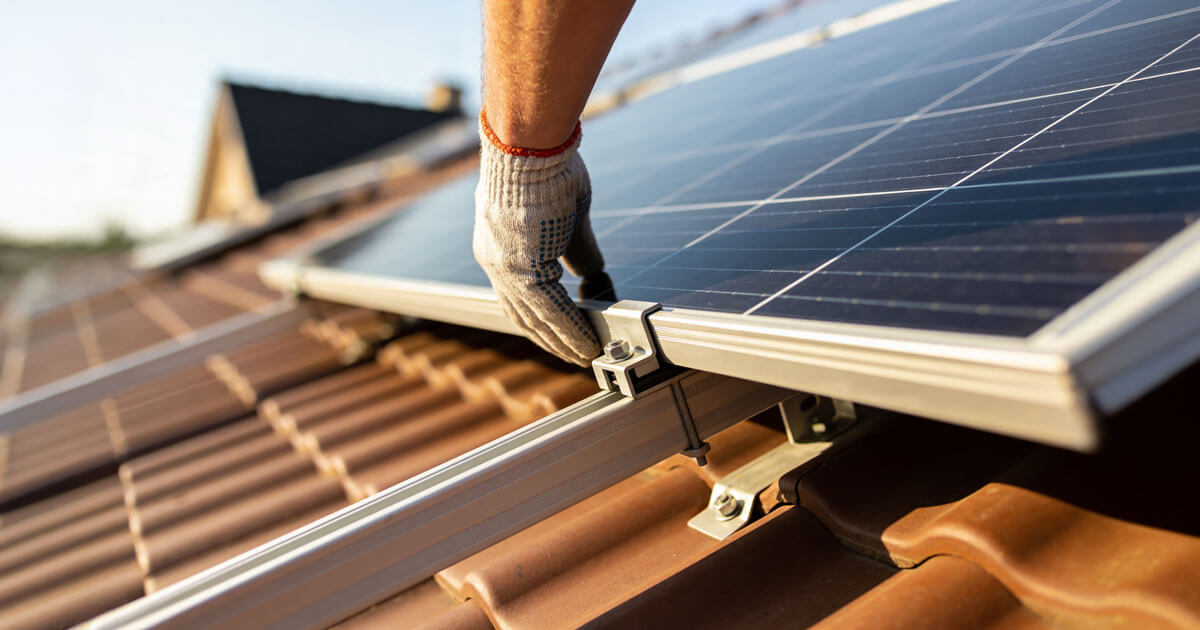
One of the biggest advantages of owning a solar system is how little maintenance it requires.
Unlike your air conditioner, your car, or even your roof, a solar system has very few moving parts. Once it’s installed, it generally does exactly what it’s designed to do: quietly produce electricity every day with very little attention.
At Supreme Solar and Electric, we’ve installed thousands of solar systems throughout California, and the vast majority continue operating year after year without any major issues. That said, no electrical system is completely maintenance-free. The key is catching small problems before they become expensive ones. Fortunately, most solar systems give you several warning signs when something isn’t operating correctly.
If you know what to look for, you can often catch a problem within days instead of months, preventing thousands of kilowatt hours of lost production. In this guide, we’ll cover the most common signs your solar system needs maintenance and what you should do if you notice them.
The Biggest Warning Sign: Your Utility Bill Suddenly Increases
The number one indicator that something may be wrong with your solar system isn’t actually the equipment: it’s your utility bill. If you’ve had solar for a while, you probably have a good idea of what your monthly electric bill normally looks like. Whatever your normal range is, you become familiar with it.
If one month you suddenly receive a bill that’s dramatically higher than normal, that’s usually your first sign that something deserves a closer look. This is especially true if your electricity usage habits haven’t changed. A sudden spike in your utility bill often means your solar system isn’t producing what it normally should. That doesn’t necessarily mean the entire system has failed. It could be something very simple.
Simple reasons for a sudden change include:
- A breaker may have tripped.
- The inverter may have shut down.
- An electrical connection may have failed.
- A communication issue may be preventing proper operation.
- A pest may have damaged wiring.
- An equipment fault may have occurred.
The important thing is not to ignore a sudden change. A solar system can go from producing normally to producing nothing almost instantly. The sooner you identify the issue, the less energy production you lose.
Pay Attention to Your True Up or Monthly Utility Statement
Whether you’re on an older net metering agreement or California’s current Net Billing program, your utility statement tells a story. Get into the habit of reviewing it every month.
Look for questions like:
- Is my imported electricity suddenly much higher?
- Did my exported energy suddenly decrease?
- Does my bill look significantly different than normal?
One unusual month isn’t always a sign of equipment failure. Maybe you used more air conditioning, you charged an electric vehicle more often, or your family stayed with you. But if nothing has changed and your bill suddenly jumps, it’s worth investigating your solar system.
Look at the Lights on Your Inverter
One of the easiest ways to monitor your system doesn’t require opening an app; rather, you can just look at your inverter. Most inverters have indicator lights that quickly tell you how the system is operating.
While every manufacturer is slightly different, you’ll commonly see colors like:
- Green: Typically indicates the system is operating normally and producing power.
- Blue: Usually indicates communication or internet connectivity. This often means the inverter is connected and communicating properly.
- Red: Usually indicates an error or fault.
If you see a red light, it’s a good indication that something needs attention. The inverter may have shut down, detected a fault, or identified a condition that requires service. If you notice a red indicator light, don’t ignore it. It’s one of the clearest signs your system needs maintenance.
When Your Inverter Shows No Lights at All
In some cases, you may walk by your inverter and notice there aren’t any lights. That’s also something worth investigating. If the inverter has no indicator lights whatsoever, it may not be receiving power.
Common causes include:
- A breaker has been switched off.
- The AC disconnect has been turned off.
- The DC disconnect has been opened.
- Power has been interrupted.
Without power reaching the inverter, your solar system won’t produce electricity. Fortunately, many of these issues can be diagnosed quickly by your installer.
Use Your Solar Monitoring App
If your solar system includes monitoring, use it. You don’t need to check it every day. But checking it once each week is a great habit.
Most monitoring platforms allow you to view:
- Daily production
- Monthly production
- Battery operation
- Energy consumption
- System alerts
Many systems also allow you to enable notifications. If production suddenly stops, you’ll receive an alert on your phone. This is one of the easiest ways to catch problems early. Instead of discovering an issue three months later when your utility bill arrives, you may know within hours or days. That can save a tremendous amount of lost production.
Make Solar Monitoring Part of Your Routine
One of the simplest habits we’ve developed is checking the equipment whenever we’re already walking past it. For example, every time I take the trash cans out, I naturally walk by the inverter. It takes about two seconds to glance at the LEDs. If the lights look normal, I keep walking. If something looks different, I know it’s time to investigate. Whether your equipment is in the garage or mounted on the side of your house, building this habit takes almost no effort. Yet it can prevent weeks or even months of lost production.
Dirty Panels Can Be a Contributing Factor
Not every maintenance issue involves electronics. Sometimes it’s simply dirt.
Over time, solar panels collect:
- Dust
- Pollen
- Bird droppings
- Leaves
- Agricultural debris
- Air pollution
California’s Central Valley is especially known for dust during certain times of the year. If enough debris builds up, it begins blocking sunlight. Less sunlight means lower production. Although rainfall naturally rinses many panels throughout the year, it doesn’t always remove everything. If your panels visibly appear dirty, it’s probably time for a cleaning.
How Often Should Solar Panels Be Cleaned?
There’s no universal schedule because every property is different.
A good rule of thumb is to clean them at a minimum of once per year, but ideally, twice per year. Very dusty locations may necessitate three cleanings per year.
Most homeowners find that two cleanings annually keep production performing at its best. Professional cleaning is generally inexpensive compared to the value of maintaining peak system performance.
Other Signs Your System May Need Service
Although less common, watch for other warning signs of system production issues, such as:
- Production suddenly drops
- Battery isn’t charging
- Battery isn’t discharging at night
- Monitoring shows equipment offline
- Error messages appear inside the monitoring app
- One section of the array consistently underperforms
These issues don’t always mean major repairs are needed. Sometimes they’re simply software settings or communication issues. The important thing is identifying them early.
Most Solar Systems Require Very Little Maintenance
It’s important to keep everything in perspective. Solar systems are extremely reliable. The overwhelming majority of homeowners will never experience major issues. Most systems are exactly what people hope for. They are installed and turned on, homeowners experience the start of energy production, and then enjoy the monthly savings. That’s why solar is often described as a “set it and forget it” investment. The maintenance required is minimal compared to most other home systems.
A Few Minutes Can Save Thousands of Kilowatt Hours
The biggest mistake homeowners make isn’t equipment failure. It’s not noticing equipment failure. A system that’s offline for one day isn’t a major issue. A system that’s offline for six months because nobody noticed can become a very expensive mistake.
For this reason, we encourage every homeowner to:
- Review your utility bill every month.
- Check your monitoring app once each week.
- Glance at your inverter lights whenever you walk by.
- Clean your panels when they become visibly dirty.
Those four simple habits are enough to catch the vast majority of issues before they become significant problems.
Learn the Signs of Change and Monitor Routinely
Solar systems are one of the lowest-maintenance investments you can make for your home. Most homeowners will enjoy years of reliable operation without needing any major service. When maintenance is required, your system usually gives you warning signs that include a sudden increase in your utility bill, a red indicator light on the inverter, or no lights on the equipment. You may receive monitoring alerts or visibly see dirty panels. These are all signals that something deserves a closer look.
By paying attention to these simple indicators and making system monitoring part of your routine, you can catch problems early, maintain peak production, and ensure your solar system continues delivering the savings it was designed to provide.
If you ever notice something doesn’t look right, the team at Supreme Solar and Electric can inspect your system, identify the issue, and get it back to producing at full capacity as quickly as possible.
Request a FREE quote for solar in Palm Desert today.