


✅ 1. Confirm Your Sun Exposure
This is the number one item on the list, and for good reason. If your roof or installation area does not get adequate sun exposure, solar simply will not be worth it.
- Look at the south, west, and east-facing rooflines. Do they receive direct sunlight for most of the day?
- Are there tall trees, second-story walls, or chimneys casting shade over large parts of your roof?
- Is your backyard shaded in the morning or afternoon if you’re planning a ground mount or solar carport?
A solar system needs consistent access to sunlight to offset your usage. If shade is unavoidable, we may still be able to design around it with creative panel placement, but it is critical to assess this before getting too far into the process.
✅ 2. Evaluate Your Electrical Panel
Your home’s main electrical panel is the hub that connects your solar system to the grid. If your panel is outdated or undersized, it might not be compatible with solar or batteries.
- Check the amperage of your main breaker. Most modern homes have 200 amps. If you have 100 or 125 amps, you may need an upgrade or a power control system.
- Is your panel a Zinsco or Federal Pacific brand? These older brands are fire hazards and usually require replacement.
- Is there room to add breakers for a solar system or battery backup? If your panel is full, we may need to add a sub panel or do a main panel upgrade.
If a panel upgrade is needed, it is better to plan for it early so that it can be permitted and installed alongside your solar project.
✅ 3. Decide Where You Want the Equipment Installed
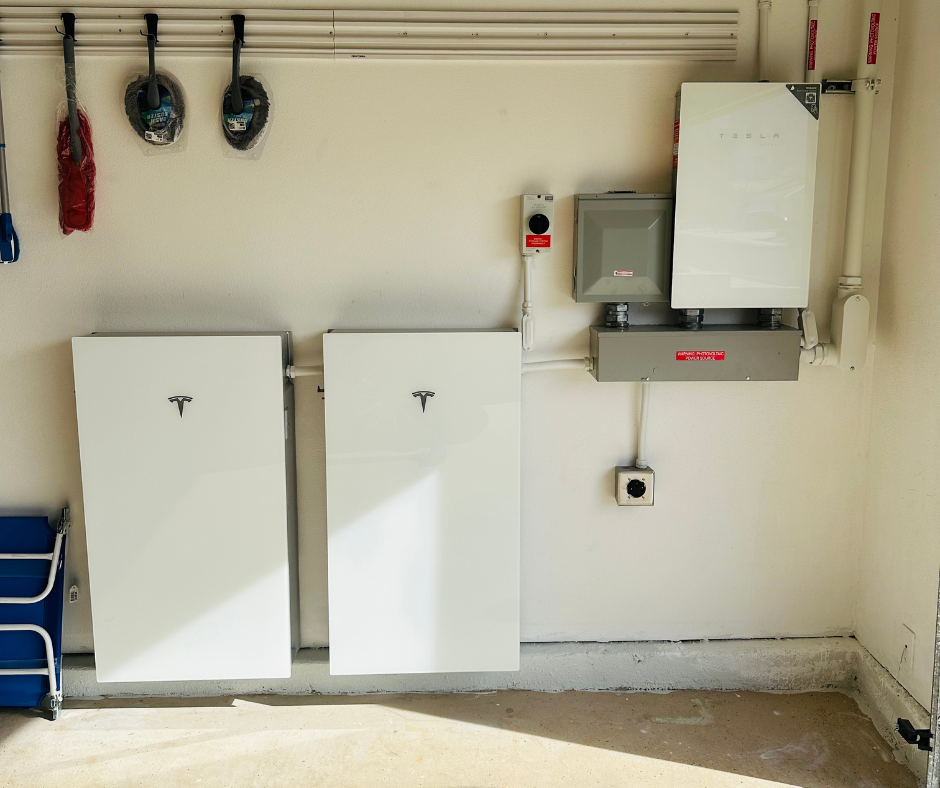
Before we start, it helps to know where you want your inverter, batteries, and backup switches to go.
- Do you have room on the garage wall near your main panel?
- Is the side yard open and accessible?
- Will your batteries be indoors or outdoors?
For battery systems under current building code, you must maintain a minimum of three feet from any door or window for safety. Knowing this upfront can help us design your layout properly and avoid unnecessary revisions later.

✅ 4. Check Your Roof Type and Condition
If you are planning to install solar on the roof, then your roof type and age are very important.
- Composite shingle is the easiest and most common roof type to install on.
- Flat tile and Spanish tile can also be used, but they may require extra materials and labor to prevent breakage.
- If your roof is wood shake, installation is not recommended and most insurance companies have phased out these roofs anyway.
- If your roof is over 20 years old, it may make sense to re-roof before installing solar. We can bundle roof replacement into the solar financing if needed.
We will inspect your roof during the site survey, but having a sense of its condition before we start helps avoid delays.
✅ 5. Determine if Ground Mount or Patio Structures Are Needed
Not everyone wants panels on their roof. If that is you, there are other options, but they come with a few extra requirements.
- Ground mounts need adequate backyard space, typically with at least 10 to 12 feet of setback from property lines.
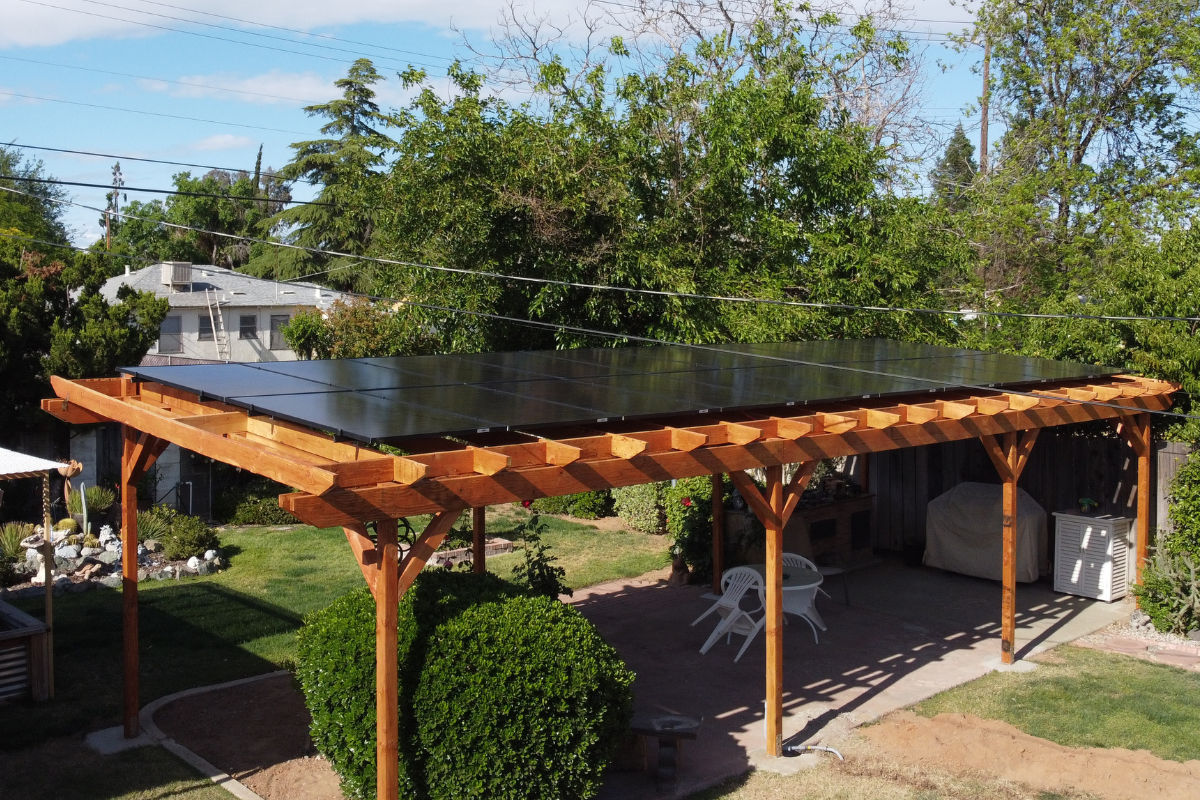
- Patio structures or solar carports can be built to provide shade while also generating power, but you must have space and meet city planning requirements.
- In places like Clovis or Fresno with smaller lots, it may be harder to build these structures. We will check zoning codes and setbacks for you during the design process.
If you are planning a custom structure, be sure to discuss this early in the process so we can account for engineering, concrete work, and trenching.

✅ 6. Understand Your Energy Usage or Expected Consumption
To design the right size system, we need to know how much energy your household uses.
- The best method is to provide 12 months of PG&E bills, showing both usage (kWh) and cost.
- If you are new to the home and do not have usage data yet, we can estimate based on:
- Square footage
- Number of people living in the home
- AC usage
- Pool or spa equipment
- Any planned additions like an electric vehicle, EV charger, or mini split HVAC
We can use a load calculator to ensure your system is sized to meet your future needs, not just your current ones.
✅ 7. Plan Ahead for Electric Vehicles and Upgrades
If you are planning to purchase an electric vehicle, build a pool, or switch appliances to electric in the next couple years, it is important to oversize your system now.
- Adding just one EV can add 300 to 400 kWh per month to your usage.
- Pools with variable speed pumps can also consume a significant amount of energy.
- Switching from gas water heaters or gas HVAC to electric adds additional load.
If you do not size your system for future usage, you may be left paying higher rates for the energy that your solar system does not cover.
✅ 8. Check for Battery Compatibility and Backup Needs
If you are installing a battery system with your solar project, you will need to think about:
- Where the batteries will go, based on access and clearance requirements
- Which appliances or circuits you want backed up during an outage (if doing partial backup)
- Whether you need whole home backup or just critical loads like fridge, lights, outlets, and internet
Most homeowners in Fresno are now opting for batteries under NEM 3.0 to increase self-consumption and maximize ROI. We recommend a solar-to-battery ratio of 2.5 to 1, meaning if you have a 10 kW solar system, a 20 to 25 kWh battery capacity is ideal.
✅ 9. Verify HOA and Permit Requirements
If you are in an HOA, it is a good idea to check early if they have any architectural review process.
- California law does not allow HOAs to prevent solar installations, but they may have design or visibility guidelines
- We will help you prepare any forms or site plans required
- We also handle all city permits, inspections, and utility interconnection paperwork for you
✅ 10. Think About Budget and Financing Options
Lastly, think through how you plan to pay for the system.
- Many homeowners choose to finance their solar system with zero money down
- You can finance the entire project, including roof work, batteries, and EV chargers
- Some credit unions offer fixed rates between 4.99 and 6.99 percent
- The 30 percent federal tax credit applies to the full system cost
If you plan to pay cash, the ROI is typically around five and a half years for a fully optimized solar and battery system. If you finance, it is closer to six years. Either way, most Fresno homeowners start saving money from day one, often cutting their electricity costs by 40 to 50 percent.
Final Thoughts
Installing solar is not as simple as just putting panels on a roof. But with the right pre-install checklist, you can set your home up for success and avoid costly changes down the road.
By confirming sun exposure, roof condition, panel location, and energy usage upfront, your solar project will go smoother, faster, and deliver better results for decades to come.
If you’re ready to go solar in Fresno or just want a second opinion on your home’s readiness, Supreme Solar and Electric is here to help. We are a local team with hundreds of five-star installs across the Central Valley, and we would be happy to walk you through your options.
Get the Deal You Deserve.
Contact Supreme Solar Today